Performance category >
Reporting

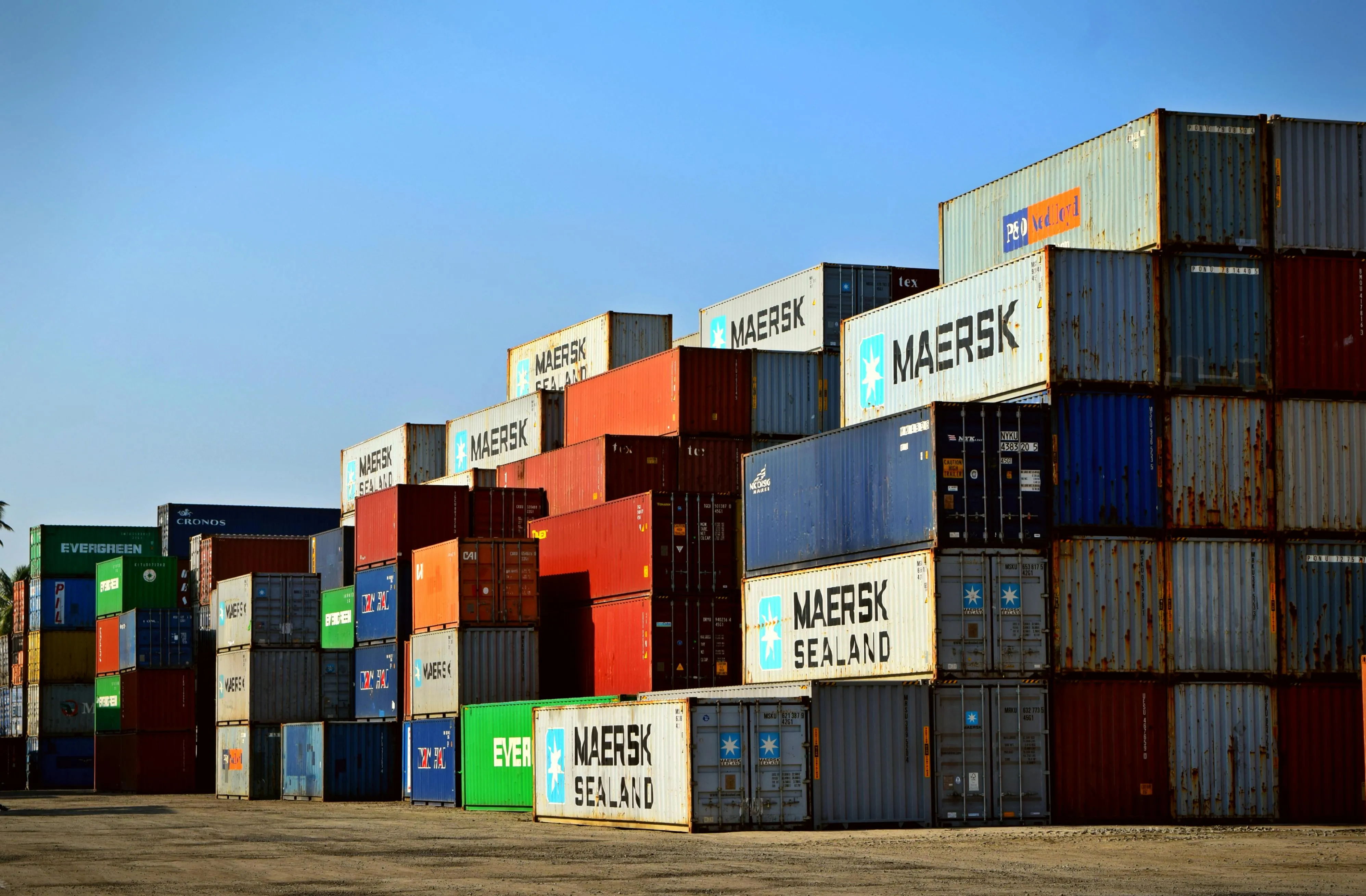
The Carbon Border Adjustment Mechanism (CBAM) is the EU’s new climate protection instrument. Starting in 2026, importers of carbon-intensive goods such as steel, cement, aluminum, fertilizers, hydrogen, and electricity must report embedded emissions and purchase corresponding CBAM certificates. A transition period with quarterly reporting requirements has been in effect since 2023. With the so-called Omnibus I package, which was proposed in early 2025 and has since been adopted by the European Parliament and the Council (as of September 2025), the changes aim to significantly simplify CBAM—for example, through a de minimis threshold of 50 tons per year, extended deadlines, and more flexible rules for default values.

Analyze company activities
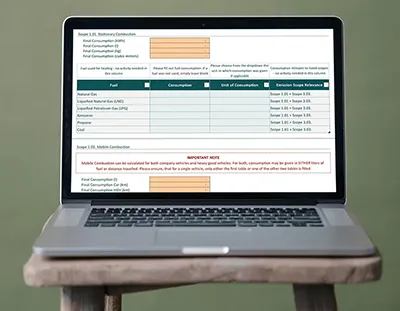
Compile relevant data for carbon footprint
Balance emissions (Scope 1, 2 and 3)
Create CCF report
Fulfill CSRD reporting obligations
Identify main sources of emissions
Meeting customer requirements
Creating the basis for your climate strategy
Determining the scope of the project
Pragmatic closing of data gaps
Proactive project management
Further cooperation on request
The CBAM and the EU Emissions Trading System (ETS) are closely linked and should not be considered in isolation. While the ETS sets a price on CO₂ emissions from production facilities within the EU, the CBAM applies to imports of the same emission-intensive products from third countries. This creates a level playing field designed to prevent distortions of competition.
For businesses, this means:
The combination of these two systems makes it clear that this is not just about reporting, but about a new approach to costs and competition within the European single market. Those who invest in CBAM compliance today are simultaneously building capabilities that are critical for ETS management, climate strategy, and sustainable procurement.

Thanks to our structured approach, we quickly gained a clear understanding of our CBAM obligations and were able to establish processes for reporting and certificate management in a timely manner

The Carbon Border Adjustment Mechanism (CBAM) has been in its transitional phase since October 2023 at the latest—during this phase, there is already a requirement to report the embedded greenhouse gas emissions of imported goods on a quarterly basis, though no costs for allowances are incurred immediately.
With the so-called Omnibus I package, which was proposed in early 2025 and has since been adopted by the European Parliament and the Council, the changes aim to significantly simplify the CBAM. Among other things, it was decided that:
Further changes may be on the horizon:

Create trust through even more transparency - with carbon footprints at product level
learn more


Your roadmap to climate neutrality (and beyond): Taking concrete steps with an ESRS-compliant Climate Transition Plan
learn more
Optimize your CDP rating and increase your credibility and reputation as a sustainable company
learn more

The CBAM applies to importers of carbon-intensive goods such as steel, aluminum, cement, fertilizers, hydrogen, and electricity. Smaller companies may also be affected if they exceed certain import thresholds. The Omnibus Package I could introduce a de minimis threshold of 50 tons per year, which would provide relief to small importers—though the final decision has yet to be made.
The CBAM applies to importers of carbon-intensive goods such as steel, aluminum, cement, fertilizers, hydrogen, and electricity. Smaller companies may also be affected if they exceed certain import thresholds.
The transition period, during which only reporting is required, will remain in effect until the end of 2025. Starting January 1, 2026, importers will be required to purchase and submit CBAM certificates. However, the Omnibus Package proposes a reduced certificate requirement during the initial phase, which could ease the burden on companies—though this has not yet been finalized.
Currently, the embedded CO₂ emissions of imported products must be reported (Scope 1 and 2). If primary data is not available, default values are permitted. The Omnibus Package I aims to facilitate the use of default values and thereby make data collection more practical—it remains to be seen whether these simplifications will ultimately be adopted.
CBAM, the EU's CO₂ border tax, requires importers to provide evidence of the emissions-based carbon footprint of products. A PCF helps to verifiably document emissions and minimize potential customs costs due to CO₂ emissions.
Incorrect or late filings can result in fines, additional tax assessments, and reputational damage. Delays in customs clearance are also possible. Even though the Omnibus Package introduces simplifications, a lack of preparation for CBAM remains a significant risk—companies should therefore begin setting up their processes today.
The Omnibus Package I is currently going through the legislative process. It is intended to simplify the CBAM—including through the introduction of a 50-ton threshold per importer per year, extended deadlines for annual reporting (e.g., until August 31), more flexible rules for default values, and reduced certificate requirements. Whether and when these changes will ultimately take effect depends on the Council and the Commission.
.jpg)


Would you like to know whether your company is affected by CBAM and how to best prepare? We can assist you with reporting, data management, and certificate planning—tailored to your needs and grounded in practical experience. Schedule a no-obligation consultation with our experts today.
Headquarters in Hamburg
Tel.: +49 174 1305766
Email: info@fiveglaciers.com
Branch Office in Kiel
Tel.: +49 (0) 174 1305766
Direct appointment booking