Performance category >


Our Interim Sustainability Management & Outsourcing service provides companies with temporary, highly qualified sustainability expertise—exactly when internal resources are lacking or strategic challenges require specialized experience. Whether you need to fill vacant roles, accelerate transformations, or permanently outsource sustainability tasks, our experts are ready to assist you immediately and prioritize where you need it most

Analyze company activities
Compile relevant data for carbon footprint
Balance emissions (Scope 1, 2 and 3)
Create CCF report
Fulfill CSRD reporting obligations
Identify main sources of emissions
Meeting customer requirements
Creating the basis for your climate strategy
Determining the scope of the project
Pragmatic closing of data gaps
Proactive project management
Further cooperation on request

HOW WE LOVE IT - Sebastian
TeamViewer External Consulting Support


Five Glaciers supports you in developing science-based climate targets (SBTi), creating a climate transition plan, and implementing emissions reduction strategies in accordance with the CSRD/ESRS.
learn more

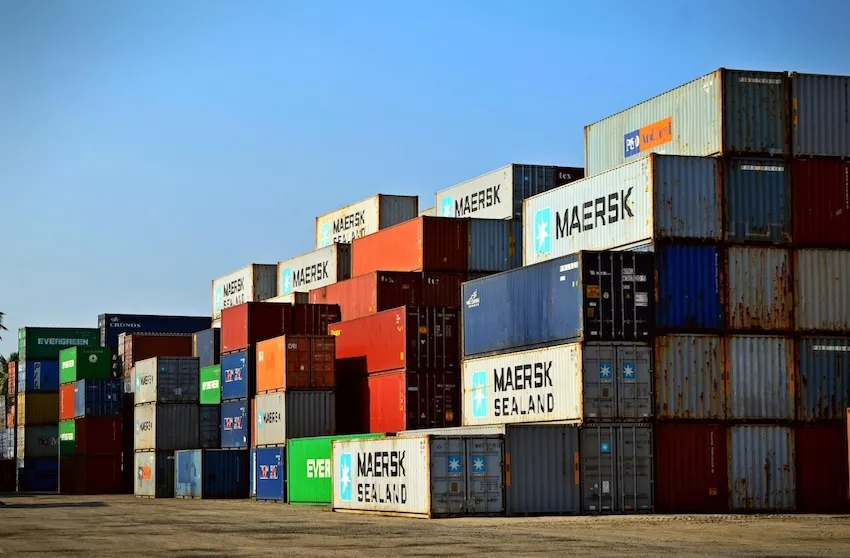
CBAM Reporting & Compliance Consulting: We provide support with CBAM obligations, Omnibus simplifications, and certificates. Request a CBAM check now.
learn more

Develop a sustainability strategy tailored to your company - ambitious, practical and future-oriented.
learn more

Frequently Asked Questions (FAQs)
What is interim sustainability management?
A temporary engagement of external sustainability experts who take on responsibility—both operational and strategic—until an internal successor is in place or project goals are achieved.
How long do assignments typically last?
Depending on the assignment, between 3 and 12 months—with the option of a flexible extension.
Is this different from traditional consulting?
Yes – Interim managers take on operational responsibilities and integrate themselves into your organization, rather than simply offering recommendations.
The transition period, during which only reporting is required, will remain in effect until the end of 2025. Starting January 1, 2026, importers will be required to purchase and submit CBAM certificates. However, the Omnibus Package proposes a reduced certificate requirement during the initial phase, which could ease the burden on companies—though this has not yet been finalized.
Under European sustainability reporting standards (ESRS E1: Climate Change), companies are required to report their greenhouse gas emissions transparently. This includes, in particular, the disclosure of Scope 1, Scope 2, and—where relevant—Scope 3 emissions. A structured carbon footprint assessment therefore forms the basis for ESRS-compliant climate reporting.
ESRS E1 (Climate Change) of the CSRD (Corporate Sustainability Reporting Directive) requires companies to quantify their direct and indirect greenhouse gas emissions and disclose reduction targets. The CCF serves as a basis for presenting emissions transparently and fulfilling regulatory requirements.
Avoided emissions are not part of a company's official carbon footprint in accordance with the GHG Protocol, but are supplementary information. However, companies can use them to present their positive climate impact, for example in sustainability reports or investor relations. For credible communication, it is important to clearly differentiate Scope 4 from your own Scope 1-3 emissions.
The Greenhouse Gas (GHG) Protocol does not explicitly define Scope 4, but recommends that avoided emissions be disclosed as additional information. International frameworks such as ISO 14067 (Carbon Footprint of Products) and the GHG Protocol for Project Accounting provide methods for calculation. However, there is currently no mandatory standardized reporting for Scope 4.
CBAM, the EU's CO₂ border tax, requires importers to provide evidence of the emissions-based carbon footprint of products. A PCF helps to verifiably document emissions and minimize potential customs costs due to CO₂ emissions.
.jpg)


Headquarters in Hamburg
Tel.: +49 174 1305766
Email: info@fiveglaciers.com
Branch Office in Kiel
Tel.: +49 (0) 174 1305766
Direct appointment booking